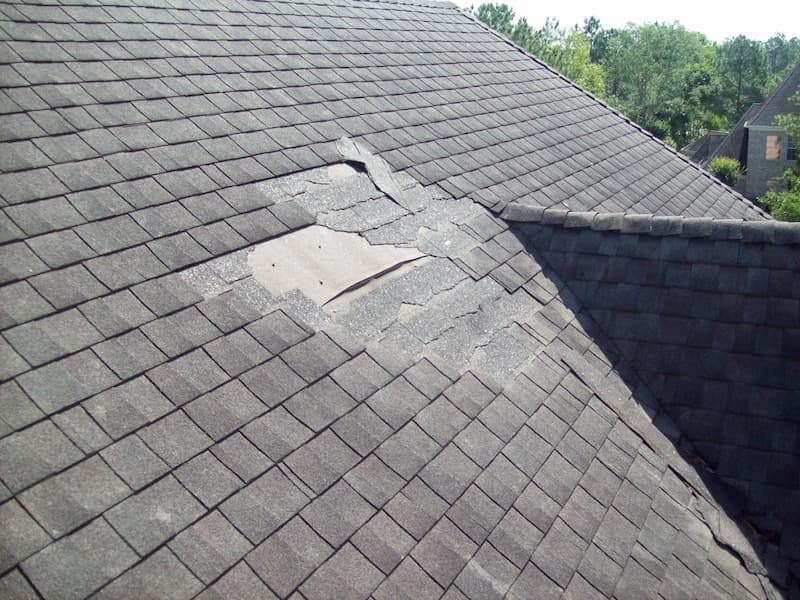
To file a roof insurance claim in Columbus: 1) Document the damage with photos and videos, 2) Contact your insurance company within 24-48 hours, 3) Get a professional roof inspection, 4) Meet with the insurance adjuster, and 5) Obtain repair estimates. Most policies cover sudden storm damage but exclude normal wear and aging.
Central Ohio sees its share of severe weather, including spring hailstorms, summer thunderstorms, and winter ice. When your roof takes a hit, knowing how to navigate the insurance claims process can mean the difference between a fully covered repair and thousands out of pocket. As a roofing company that's helped Columbus homeowners with insurance claims since 1979, here's everything you need to know.
What Roof Damage Does Insurance Cover?
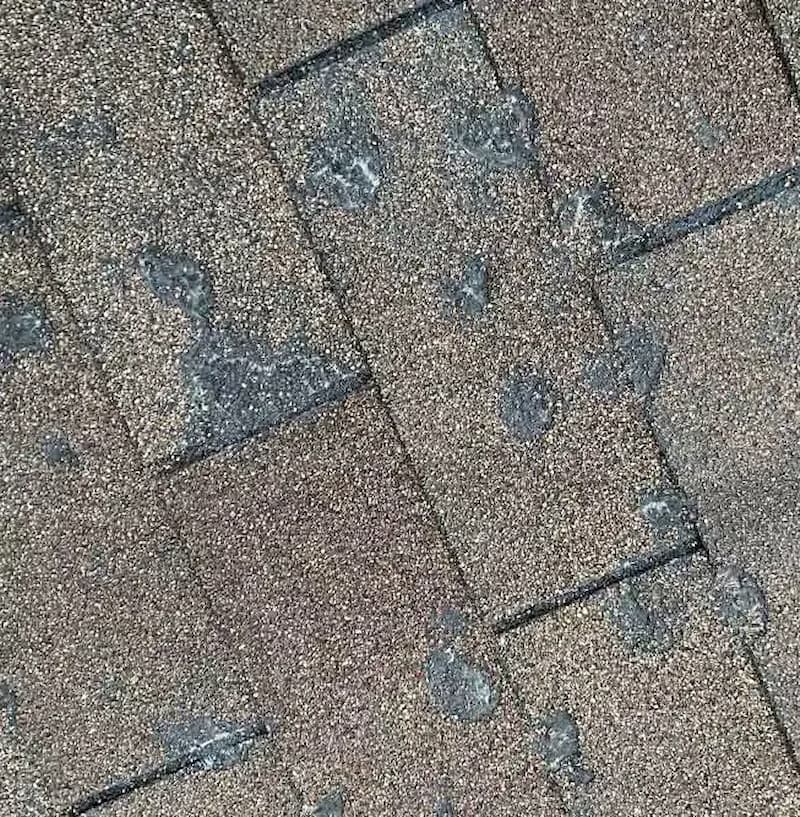
Homeowner's insurance policies generally cover roof damage from:
- Hail damage: The most common claim in Central Ohio
- Wind damage: Missing shingles, lifted edges, exposed underlayment
- Fallen trees or limbs: Impact damage from storms
- Fire damage: Including lightning strikes
- Ice dam damage: Water intrusion from winter ice buildup
- Vandalism: Intentional damage by others
What's typically NOT covered:
- Normal wear and aging
- Damage from lack of maintenance
- Gradual deterioration
- Roofs beyond their expected lifespan
- Cosmetic damage (depends on policy)
Step-by-Step: Filing Your Roof Insurance Claim
Step 1: Document Everything Immediately
As soon as it's safe after a storm, document the damage:
- Take photos and videos from multiple angles
- Photograph any debris, fallen branches, or hail on the ground
- Note the date and time of the storm
- Save weather reports from that day (useful for your claim)
- Document any interior damage (water stains, leaks)
Don't attempt to climb on your roof. Document what you can from the ground and let professionals handle the roof inspection.
Step 2: Contact Your Insurance Company
Report the damage to your insurance company within 24-48 hours. When you call:
- Have your policy number ready
- Describe the damage you've observed
- Mention the date and type of storm
- Ask about your deductible and coverage limits
- Request a claim number and adjuster assignment timeline
Most Columbus-area insurers are familiar with our weather patterns and process storm damage claims regularly.
Step 3: Get a Professional Roof Inspection
Before the insurance adjuster arrives, get an inspection from a reputable roofing contractor. A good contractor will:
- Thoroughly inspect your entire roof system
- Document all damage with detailed photos
- Identify damage you might miss (soft spots, hidden leaks)
- Provide a written assessment
- Be available to meet with your adjuster
At DiYanni Roofing, we provide free storm damage inspections and detailed documentation to support your claim.
Step 4: Meet with the Insurance Adjuster
The insurance adjuster will inspect your roof to assess the damage. To maximize your claim:
- Be present during the inspection: Or have your contractor there
- Share your documentation: Photos, videos, inspection reports
- Point out all damage: Don't assume they'll find everything
- Ask questions: Understand what they're noting and why
- Get their assessment in writing
Having your roofing contractor present during the adjuster visit can make a significant difference. They speak the same technical language and can ensure all damage is properly identified.
Step 5: Review Your Claim and Get Estimates
Once you receive the insurance company's assessment:
- Review the scope of work carefully
- Compare it to your contractor's assessment
- If there are discrepancies, request a re-inspection
- Get detailed estimates from licensed contractors
- Understand your deductible and out-of-pocket costs
Understanding Your Roof Insurance Payout
Insurance payouts for roof claims typically work in two ways:
| Payout Type | How It Works |
|---|---|
| Replacement Cost Value (RCV) | Pays to replace your roof with similar materials at current prices. Better coverage, higher premiums. |
| Actual Cash Value (ACV) | Pays replacement cost minus depreciation. A 15-year-old roof gets significantly reduced payout. |
Check your policy to understand which type of coverage you have. RCV policies often pay in two installments: an initial payment (minus depreciation) and a second payment after repairs are completed.
Common Mistakes That Hurt Your Claim
- Waiting too long to file: Report damage promptly; delays can result in denial
- Not documenting before repairs: Emergency tarping is fine, but don't start full repairs before the adjuster visits
- Accepting the first offer without review: You can negotiate or request re-inspection
- Hiring unlicensed contractors: Can void your claim and create liability issues
- Signing over insurance rights: Be wary of contractors who want to "handle everything" with your insurance
What If Your Claim Is Denied?
If your claim is denied, you have options:
- Request a written explanation: Understand exactly why it was denied
- Review your policy: Ensure the denial is legitimate
- Get a second opinion: Another contractor's assessment may support your case
- File an appeal: Provide additional documentation
- Contact your state insurance department: Ohio Department of Insurance can help with disputes
How DiYanni Roofing Helps with Insurance Claims
We've helped thousands of Central Ohio homeowners navigate the insurance claims process. Our approach:
- Free storm damage inspection: We thoroughly document all damage
- Detailed reports: Professional documentation for your claim
- Adjuster meeting: We'll meet with your adjuster to ensure nothing is missed
- Accurate estimates: Fair pricing that aligns with insurance guidelines
- Quality repairs: Work that meets manufacturer and insurance requirements
We never recommend unnecessary work or inflate claims. Our reputation since 1979 is built on honest assessments and quality work, notgaming the insurance system.
If your roof has been damaged by a recent storm, contact us for a free inspection. We'll help you understand your options and navigate the claims process with confidence.