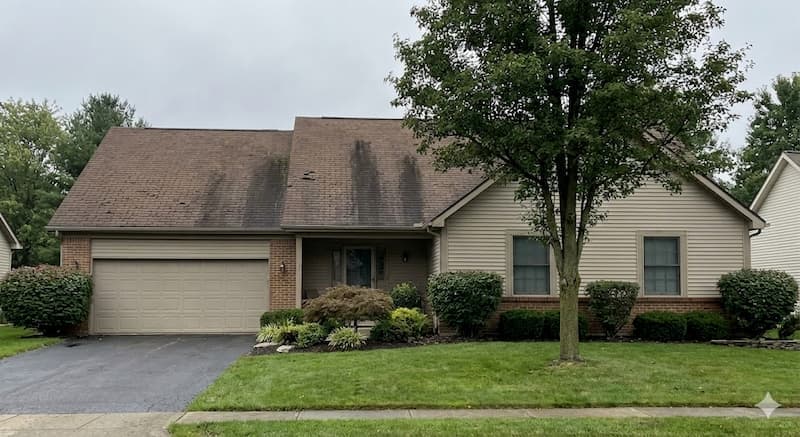
The top signs you need a new roof include shingles that are curling, cracking, or missing, granules accumulating in your gutters, and visible daylight through your attic. If your roof is 12-15+ years old or you see water stains on ceilings, it's time to schedule a professional inspection.
As a family-owned roofing company serving Central Ohio since 1979, we've inspected thousands of roofs across Columbus and surrounding suburbs. Here are the seven warning signs we tell every homeowner to watch for, and what they mean for your home.
1. Your Roof is 12-15+ Years Old
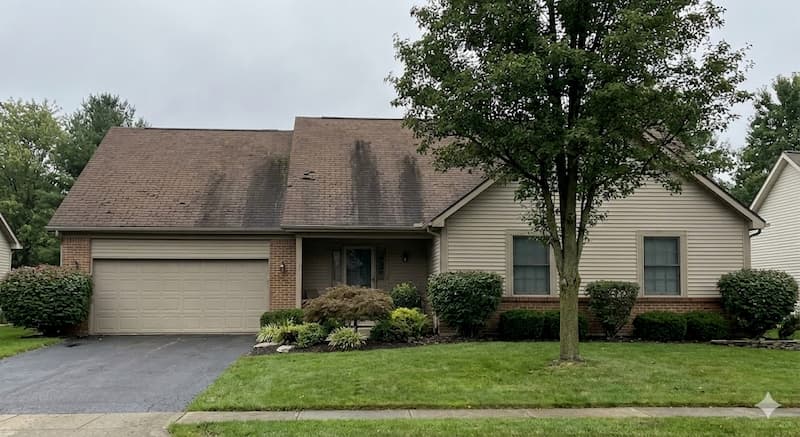
Most asphalt shingle roofs in Central Ohio last 15-25 years, depending on the quality of materials and installation. However, our harsh Ohio climate (with 40-60 freeze-thaw cycles each winter, humid summers, and spring storms) can significantly shorten that lifespan.
If your roof is approaching 12-15 years old, it's wise to have a professional inspection even if you don't see obvious damage. We often find hidden issues that homeowners can't spot from the ground, like deteriorating flashing or inadequate ventilation that's causing premature wear.
What to do: Check your home improvement records or ask your real estate agent for the last roof replacement date. If it's been 12+ years, schedule a free roof inspection.
2. Shingles Are Curling or Buckling
Curling shingles are one of the most visible signs of roof failure. In Central Ohio, we typically see two types:
- Cupping: Edges turn upward while the middle stays flat, creating a cup-like shape
- Clawing: Edges stay flat while the middle rises up
Both indicate your shingles have reached the end of their protective life. Curled shingles can't properly shed water, making your roof vulnerable to leaks, especiallyduring Ohio's spring thunderstorms and heavy winter snow.
Buckling appears as wavy, distorted areas running vertically up the roof. This is often caused by moisture in the attic or improperly installed underlayment. Bothissues we see frequently in homes built before 1990.
3. Missing or Cracked Shingles
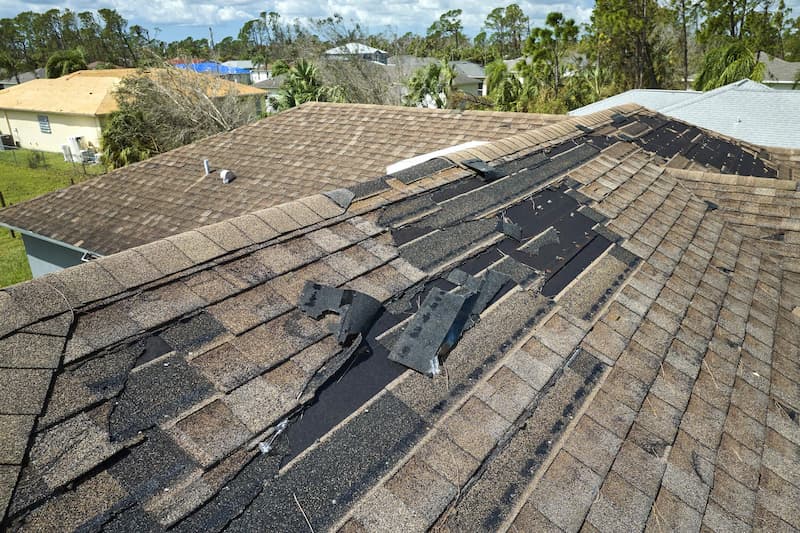
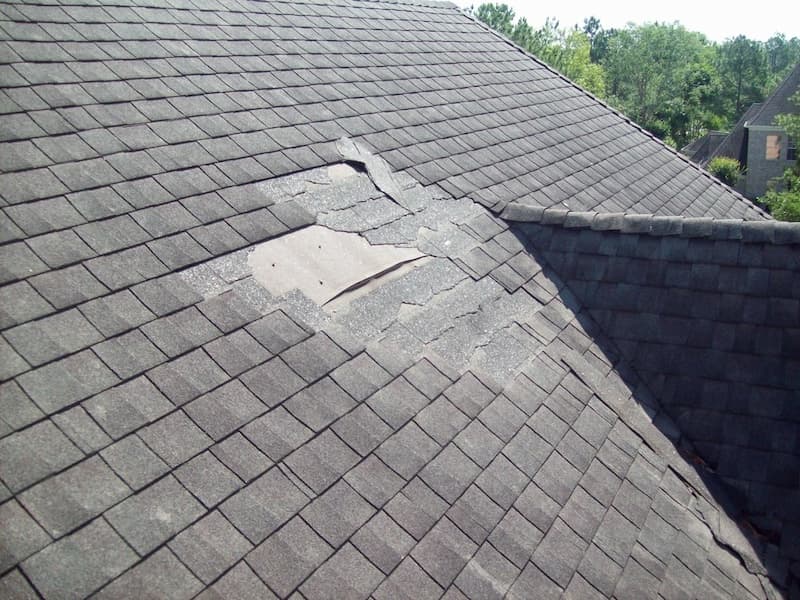
After every major storm in Columbus, we receive dozens of calls about missing shingles. While losing a few shingles isn't necessarily an emergency, it exposes your roof's underlayment and decking to water damage.
Cracked shingles are often caused by wind damage or thermal shock from Ohio's dramatic temperature swings. It's common to see 60°F temperature changes in a single day during spring and fall. These cracks allow water to penetrate beneath the shingle layer.
Quick check: After storms, walk around your property and look for shingles in your yard or gutters. If you find pieces of shingles, your roof needs attention.
4. Granules Accumulating in Your Gutters
Asphalt shingles are coated with ceramic granules that protect against UV damage and add fire resistance. When these granules start washing off, your shingles lose their protective layer and deteriorate rapidly.
Some granule loss is normal in the first year after installation. However, if your roof is older and you're finding significant granule buildup in your gutters, or dark, bare patches on your shingles. It's a clear sign the roof is nearing the end of its life.
We find this issue most often on south-facing roof sections in Dublin, Westerville, and other Central Ohio suburbs, where direct sun exposure accelerates wear.
5. Daylight Visible Through Attic Boards
This is one of the most serious warning signs. If you can see daylight through your roof boards when you're in the attic, water and cold air can get in too.
How to check: On a sunny day, turn off your attic lights and look for streams of light coming through the roof. Also feel for any soft, spongy areas in the decking. Thisindicates water damage and rot that must be addressed before a new roof can be installed.
In older Central Ohio homes (pre-1980), we often find original board sheathing instead of plywood. These boards can develop gaps and soft spots after decades of freeze-thaw cycles, making this inspection especially important for historic neighborhoods.
6. Water Stains on Ceilings or Walls
Brown or yellowish stains on your ceilings or walls often indicate roof leaks. However, the leak's entry point is rarely directly above the stain. Watertravels along rafters and sheathing before dripping down.
The most common leak sources we find in Central Ohio homes:
- Flashing failures: Around chimneys, skylights, vents, and where roof sections meet
- Ice dams: In winter, heat escaping from inadequately ventilated attics melts snow, which refreezes at the eaves and backs up under shingles
- Valley leaks: Where two roof planes meet, wear happens faster
Don't ignore water stains hoping they'll go away. What starts as a small leak can quickly lead to mold growth, rotted decking, and damaged insulation, turninga repair into a much more expensive replacement.
7. Your Neighbors Are Getting New Roofs

Homes in the same neighborhood were often built around the same time with similar materials. If you're seeing roofing crews working on multiple houses on your street, it's a good indicator that your roof is likely the same age and condition.
This is especially true in Central Ohio subdivisions built during the housing booms of the 1980s and 1990s. Many of these neighborhoods are now due for their first or second roof replacement.
We service many Westerville, Dublin, and Worthington neighborhoods where we've replaced multiple roofs on the same street. Homeownersoften coordinate projects to benefit from efficiency.
When to Repair vs. Replace
Not every roofing issue requires a full replacement. Here's our general guidance:
Repair usually makes sense when:
- Damage is limited to one small area
- Your roof is less than 10 years old
- You're addressing a single leak or a few missing shingles
Replacement is typically better when:
- You have multiple problem areas across the roof
- Your roof is 15+ years old
- Repair costs would exceed 30% of replacement cost
- You're seeing widespread granule loss or curling
Our approach at DiYanni Roofing is simple: we provide honest assessments. If a repair will genuinely extend your roof's life, we'll tell you. If replacement makes more financial sense, we'll explain why. Learn more about this decision in our guide on roof repair vs. replacement.
Get a Free Roof Inspection
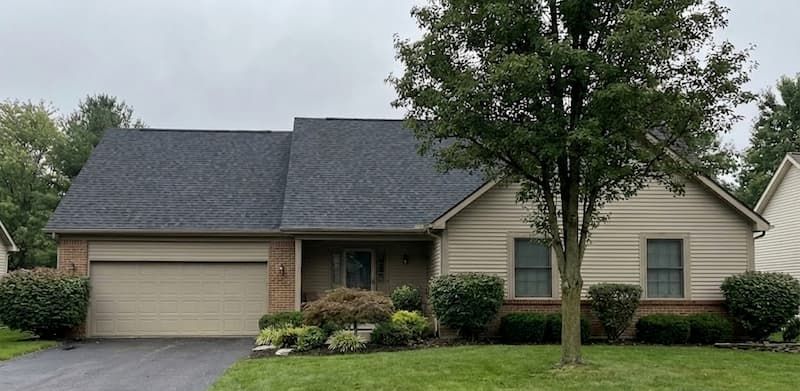
If you've noticed any of these warning signs, don't wait until a small problem becomes a major expense. Our team provides free, no-obligation roof inspections throughout Central Ohio.
We'll thoroughly assess your roof's condition, explain what we find in plain English, and give you honest recommendations, whetherthat's a simple repair, a few more years of life, or a replacement. Four generations of our family have been in the construction business since 1979, and we treat every customer's home like our own.